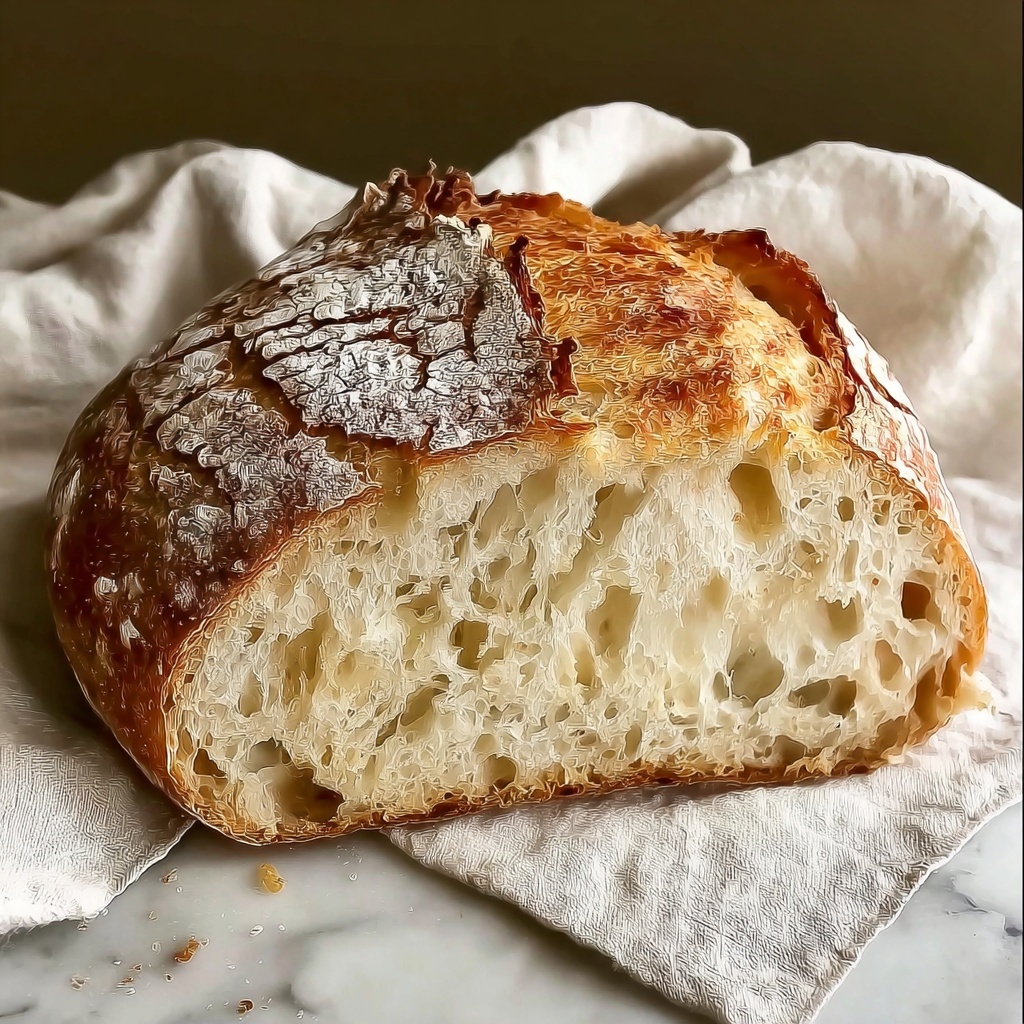
If you’ve ever dreamed of baking bakery-quality bread right in your own kitchen, this Dutch Oven Bread Recipe is here to turn that dream into reality. It’s a wonderfully simple recipe that yields a crusty, golden loaf with a chewy crumb, all thanks to the magic of a cast iron Dutch oven locking in steam during baking. Whether you’re a seasoned baker or just starting out, this recipe captures the heart of homemade bread with accessible ingredients and straightforward steps. Trust me, once you try this, you’ll never look back.
Ingredients You’ll Need
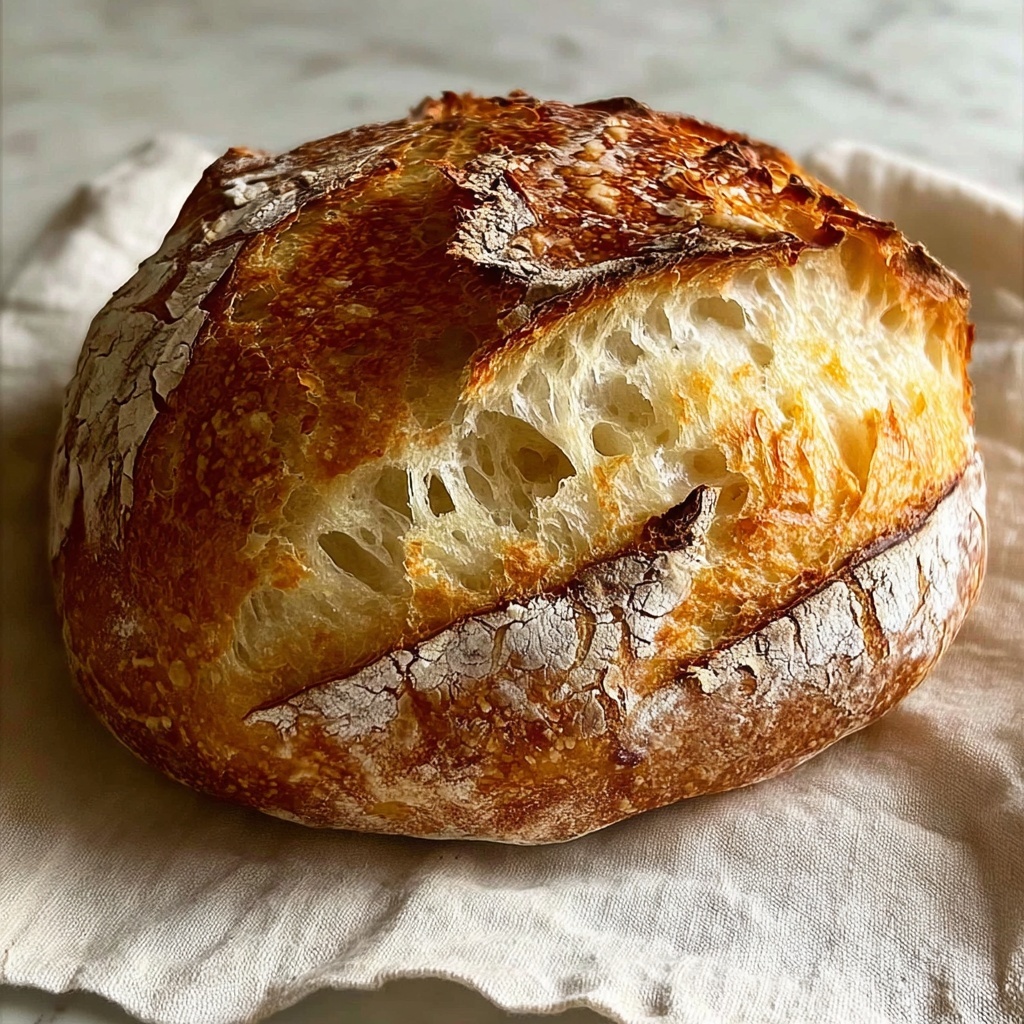
One of the best things about the Dutch Oven Bread Recipe is how it uses just a few fundamental ingredients, each bringing something special to the table. These basics combine to create the perfect balance of flavor, texture, and that irresistible crust.
- 500 g strong bread flour: The foundation of your loaf, it provides the gluten structure that makes the bread chewy and elastic.
- 1½ teaspoons salt: Enhances flavor and strengthens the dough.
- 1 teaspoon active dried yeast: The natural leavening agent that gives your bread rise and lightness.
- 350 ml warm water: Activates the yeast and brings the dough together for a perfect consistency.
- 1 tablespoon honey: Adds a touch of sweetness and helps to brown the crust beautifully.
How to Make Dutch Oven Bread Recipe
Step 1: Combine Dry Ingredients
Start by whisking together the bread flour, salt, and yeast in a large bowl. Mixing these dry ingredients first helps distribute everything evenly, so your bread will rise consistently and have great texture.
Step 2: Prepare Wet Ingredients
In a separate jug, stir the warm water with honey until the honey completely dissolves. The warmth wakes the yeast up gently, and the honey adds just enough sweetness to enhance the crust color.
Step 3: Mix Dough
Create a well in the center of your dry ingredients. Pour in the honey-water mixture and stir using a wooden spoon or your hands until a rough, shaggy dough comes together. This hands-on step is where your bread journey truly begins.
Step 4: Knead the Dough
Turn the dough onto a floured surface and knead for about 10 minutes until it’s smooth and elastic. Kneading develops the gluten network, which is essential for giving your bread that perfect chewy bite.
Step 5: First Rise
Place the dough in a greased bowl, cover it with a damp cloth, and set it somewhere warm to rise for about 1 hour or until it has doubled in size. This resting period allows the yeast to work its magic and fill your dough with lovely air bubbles.
Step 6: Preheat Oven & Dutch Oven
While your dough is rising, preheat your oven to 200 ºC (400 ºF) and place the cast iron Dutch oven with its lid inside. This ensures your baking vessel is piping hot and ready to deliver that signature crust.
Step 7: Shape the Dough
Once the dough has risen, gently punch it down to release excess air, then shape it into a tight round ball. Place it seam side down on a piece of baking paper—this keeps it neat and makes transferring easier.
Step 8: Prepare for Baking
Carefully remove the hot Dutch oven from the oven and lift your dough on the baking paper into it. Quickly cover with the lid to trap steam inside; this steam is what gives your bread that crisp, crackly crust.
Step 9: Bake Covered
Bake with the lid on for 25 minutes. This initial phase cooks the dough through and keeps the moisture in to create the ideal crust texture.
Step 10: Bake Uncovered
Remove the lid and bake for another 10 to 15 minutes. This final step browns the crust to a gorgeous golden color and adds a nice crunch that will make your bread irresistible.
Step 11: Cool & Serve
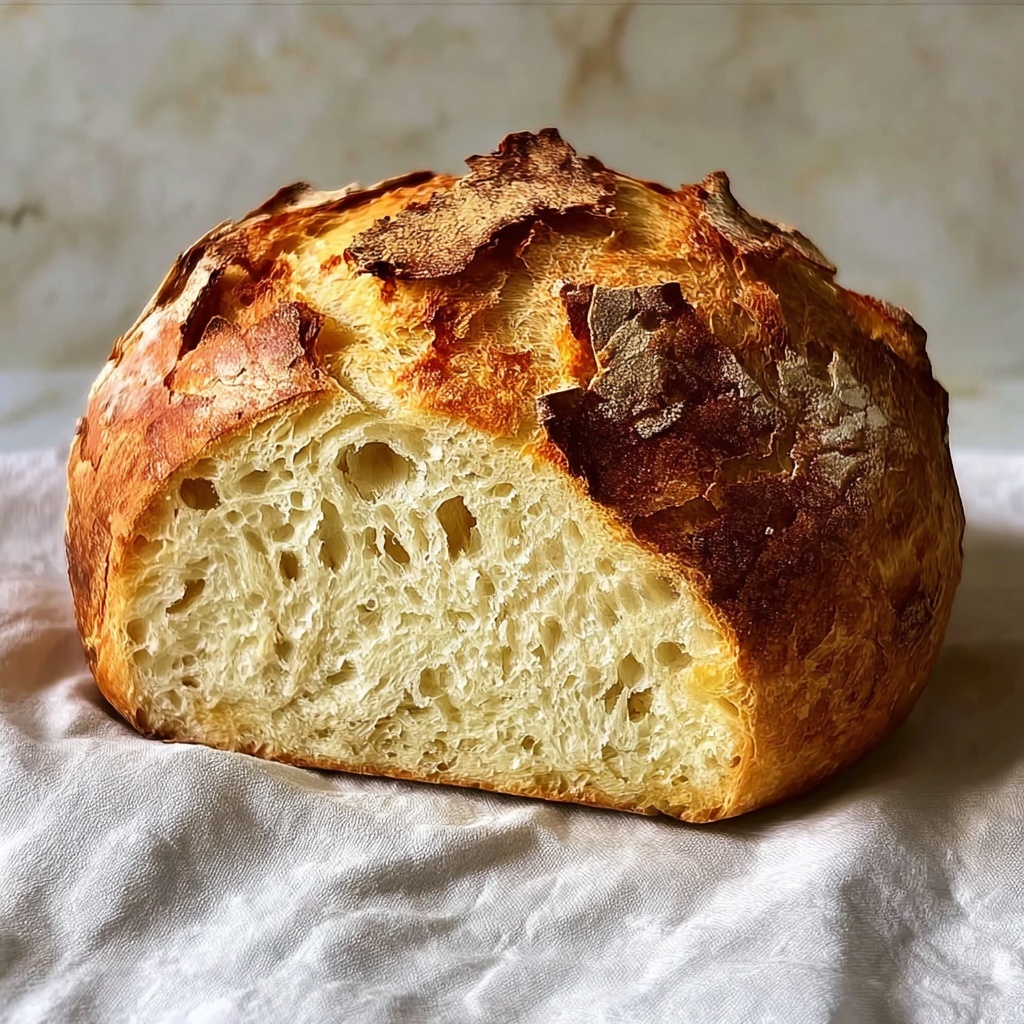
Once baked, transfer your loaf to a wire rack to cool completely. Cooling lets the crumb set perfectly, so when you slice it, you get those beautiful air pockets and a chewy texture that feels just right.
How to Serve Dutch Oven Bread Recipe
Garnishes
A simple sprinkle of flaky sea salt or a brush of melted herb butter can elevate your bread to next-level deliciousness. These little touches add bursts of flavor that complement the bread’s natural taste without overpowering it.
Side Dishes
This bread pairs amazingly well with soups, stews, or your favorite cheese spread. Its hearty crumb is perfect for soaking up brothy soups or serving alongside a creamy dip at a casual gathering.
Creative Ways to Present
Try hollowing out the center to create a bread bowl, perfect for serving chili or spinach dip. Or slice and toast it for crunchy bruschetta topped with fresh tomatoes, basil, and a drizzle of olive oil.
Make Ahead and Storage
Storing Leftovers
Store leftover bread at room temperature wrapped loosely in a clean kitchen towel or paper bag to maintain crust integrity while keeping the crumb soft. Avoid plastic as it can make the crust soggy.
Freezing
This bread freezes wonderfully. Slice it first, wrap the slices in plastic wrap and foil, then store in a freezer bag. This way, you can thaw just what you need without waste.
Reheating
To refresh your bread, pop slices in a toaster or warm the whole loaf in a 180 ºC (350 ºF) oven for 5 to 10 minutes. This rekindles the crust’s crispness and revives the fresh-baked flavor.
FAQs
Can I use regular all-purpose flour instead of bread flour?
While bread flour is preferred for its higher protein content that helps develop gluten, you can use all-purpose flour if needed. Just expect a slightly less chewy texture and a softer crust.
Why do I need to preheat the Dutch oven?
Preheating the Dutch oven creates a super-hot environment that stimulates steam formation when the dough hits the pot. This steam is crucial for producing that coveted crusty exterior.
Can I add seeds or herbs to the dough?
Absolutely! Adding things like sunflower seeds, rosemary, or thyme can infuse lovely extra flavor and texture. Just fold them in during the kneading stage so they distribute evenly.
How long does it take to bake the bread?
The total baking time is about 35 to 40 minutes—in 25 minutes with the lid on, then 10 to 15 minutes uncovered until golden and crisp.
Do I have to use honey in the recipe?
Honey adds subtle sweetness and helps with crust color, but you can substitute it with sugar or even leave it out. Your bread will still be fantastic!
Final Thoughts
This Dutch Oven Bread Recipe is truly a game changer for anyone who loves fresh, homemade bread without a fuss. The straightforward ingredients, combined with the magic of baking in a Dutch oven, yield a loaf that’s crispy on the outside and warm, tender, and full of character on the inside. I can’t wait for you to try it yourself — it’s a delightful way to bring the heart of baking into your kitchen.
Print
Dutch Oven Bread Recipe
- Prep Time: 20 minutes
- Cook Time: 40 minutes
- Total Time: 2 hours 55 minutes
- Yield: 1 loaf (about 1 kg / 2.2 lbs)
- Category: Bread
- Method: Baking
- Cuisine: European
- Diet: Vegetarian
Description
This classic Dutch Oven Bread recipe yields a crusty, artisan-style loaf with a soft, chewy interior. Made with simple ingredients like strong bread flour, yeast, salt, warm water, and honey, this bread is baked in a preheated cast iron Dutch oven to achieve a perfect golden crust. Ideal for beginners and bread enthusiasts alike, the slow rise and baking method ensures a flavorful and visually stunning homemade loaf.
Ingredients
Dry Ingredients
- 500 g strong bread flour
- 1½ teaspoons salt
- 1 teaspoon active dried yeast
Wet Ingredients
- 350 ml warm water
- 1 tablespoon honey
Instructions
- Combine Dry Ingredients: In a large bowl, whisk together bread flour, salt, and yeast to evenly distribute all dry components.
- Prepare Wet Ingredients: In a measuring jug, mix warm water and honey until the honey is fully dissolved to ensure even sweetness in the dough.
- Mix Dough: Create a well in the center of the dry ingredients, pour in the water-honey mixture, and mix until a shaggy dough forms using a wooden spoon or your hands.
- Knead the Dough: Transfer the dough to a floured surface and knead for 10 minutes, developing a smooth and elastic texture essential for good gluten structure.
- First Rise: Place the kneaded dough in a clean, greased bowl, cover with a damp cloth, and allow it to rise for 1 hour or until it doubles in size, which indicates fermentation and flavor development.
- Preheat Oven & Dutch Oven: Preheat your oven to 200ºC (400ºF). Place an empty cast iron Dutch oven with its lid inside the oven to preheat simultaneously, preparing it for baking the bread.
- Shape the Dough: Once risen, punch down the dough to release gas, shape it into a round ball, and place it seam side down on a piece of baking paper for easy transfer.
- Prepare for Baking: Carefully lift the dough along with the baking paper and place it into the preheated Dutch oven. Cover with the lid to trap steam and create a perfect crust.
- Bake Covered: Bake the dough in the covered Dutch oven for 25 minutes, allowing the bread to rise further and begin crust formation.
- Bake Uncovered: Remove the lid and continue baking for an additional 10-15 minutes until the crust is a deep golden brown and crispy.
- Cool & Serve: Remove the bread from the Dutch oven and let it cool completely on a wire rack before slicing to set the crumb and enhance flavor.
Notes
- Use warm water about 38-43ºC (100-110ºF) to activate the yeast without killing it.
- Kneading time is essential to develop the gluten structure necessary for a good rise and texture.
- Preheating the Dutch oven ensures a burst of steam inside, which contributes to a crusty exterior.
- Allow bread to cool fully before slicing to avoid a gummy texture inside.
- You can add herbs or seeds for extra flavor and texture.